
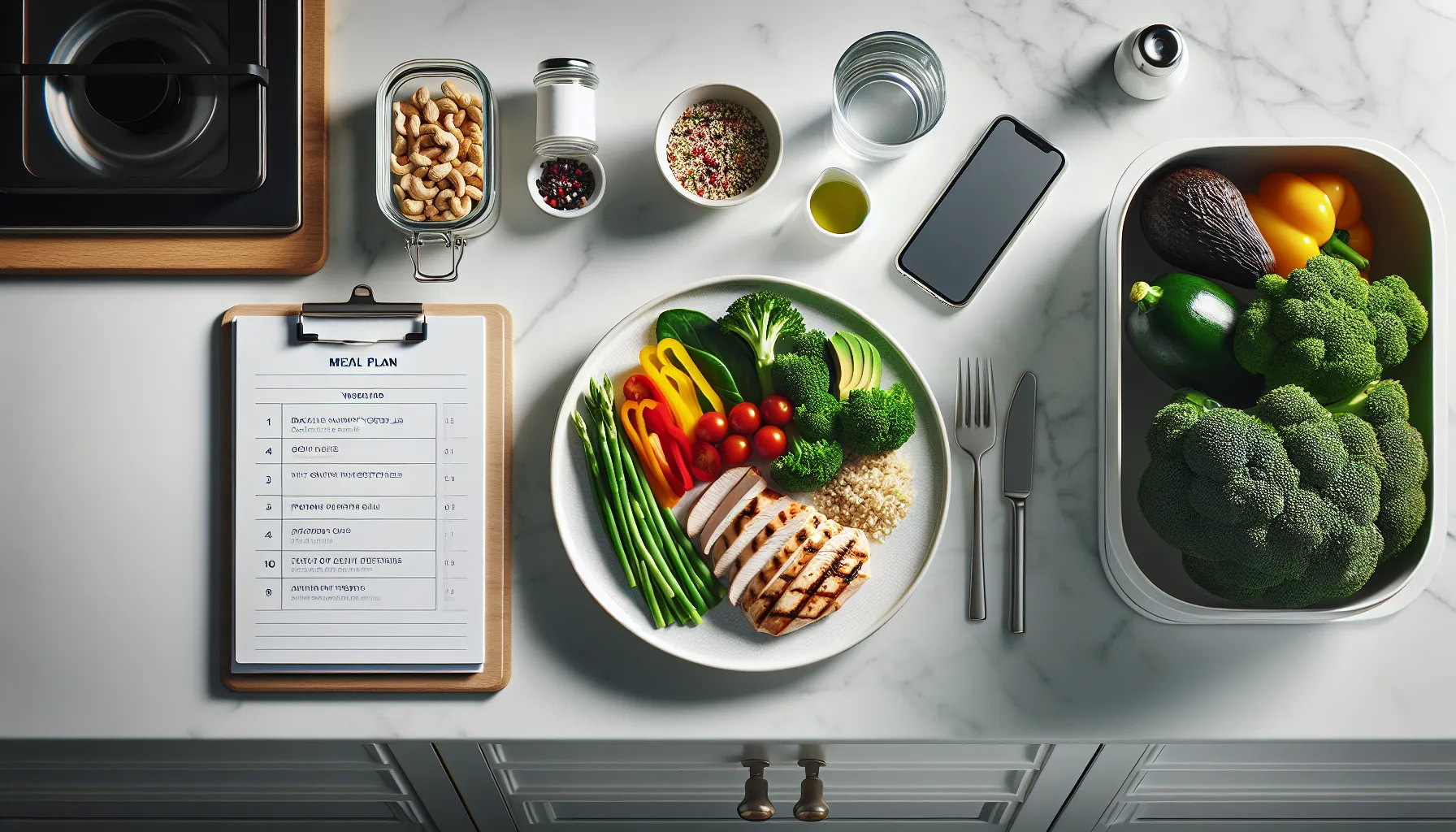
Learning how to eat healthy isn’t about perfection or counting every calorie, it’s about building simple habits you can repeat on busy days. You’ll feel the payoff fast: steadier energy, better focus, fewer “hangry” crashes. This guide distills the science into clear moves you can use right now, what to put on your plate, how to plan with almost no time, and how to stay consistent without being rigid. Think practical, not precious. And yes, there’s room for your favorites.
Build A Balanced Plate That Works For You
The Plate Method, Simplified
The fastest way to upgrade how you eat healthy is to rethink portions, not obsess over numbers. Try this at meals:
- Half your plate non-starchy veggies (think greens, broccoli, peppers, tomatoes). Volume, fiber, and micronutrients with very few calories.
- A quarter lean protein (chicken, fish, tofu, beans, eggs, Greek yogurt). Protein helps you stay full and preserves muscle.
- A quarter smart carbs (whole grains, potatoes, beans, fruit). Carbs fuel your brain and training: type and portion matter.
- Add a thumb or drizzle of healthy fat (olive oil, avocado, nuts, seeds).
This approach, similar to Harvard’s Healthy Eating Plate, automatically balances calories, fiber, and protein without measuring. Water or unsweetened tea rounds it out.
Choose Smart Carbs And Fiber
Carbs aren’t the enemy: poorly chosen, oversized carbs are. Aim for slow-digesting choices that come with fiber:
- Whole grains: oats, quinoa, brown rice, whole-grain pasta, sprouted bread.
- Beans and lentils: fiber and protein in one.
- Whole fruit over juice: the fiber in fruit slows digestion and keeps you satisfied.
Most adults benefit from about 25–38 grams of fiber daily (closer to 25g for many women, 38g for many men). Increase gradually and drink water to keep your gut happy. Practical tip: pair carbs with protein or fat (apple + peanut butter, rice + salmon) to blunt blood sugar spikes. Keep added sugars for treats, not daily staples.
Protein And Healthy Fats In Balance
Protein anchors meals. As a rule of thumb, include a palm-size portion (or about 20–40 grams) at each meal. That could be eggs at breakfast, beans or tofu at lunch, and fish or chicken at dinner. The RDA is 0.8 g/kg, but many active adults feel and perform better around 1.0–1.6 g/kg, adjust for your needs and medical advice.
Fats aren’t just “allowed”: they’re essential. Favor unsaturated fats, olive oil, nuts, seeds, avocado, and fatty fish (salmon, sardines). They support heart and brain health, help you absorb vitamins A, D, E, and K, and make meals taste satisfying. Keep most saturated fat (butter, high-fat meats) on the lower side and watch hidden sources (pastries, processed snacks). Two servings of fatty fish per week is a smart, evidence-backed target.
Plan, Shop, And Prep For Success
A 10-Minute Weekly Meal Plan
If you only change one habit, make it this: spend 10 minutes each week deciding what you’ll eat most of the time. Here’s a quick flow:
- Pick 3 anchor dinners you’ll repeat as leftovers (for example: chili, sheet-pan chicken and veggies, tofu stir-fry).
- Choose easy breakfasts and lunches you can rotate (oats or eggs: salads, grain bowls, or sandwiches).
- Batch one base, one protein, one sauce: cook a pot of quinoa, a tray of chicken or chickpeas, and blend a yogurt-herb or tahini sauce.
- Schedule the “fragile” items first (seafood, fresh greens) and save pantry-based meals for later in the week.
- Create a one-page grocery list, grouped by store section. Done.
You’ll save time, money, and decision fatigue. And when life throws a curveball, you still have your prepped base + protein + sauce combo ready.
Pantry And Freezer Staples To Rely On
Healthy eating becomes automatic when your kitchen does some of the work. Stock these:
- Proteins: canned tuna/salmon, beans, lentils, eggs, frozen edamame, tofu/tempeh.
- Smart carbs: oats, brown rice, quinoa, whole-grain pasta, potatoes, frozen corn.
- Veggies and fruit: frozen spinach, peas, broccoli, mixed veg, berries, mango.
- Flavor: olive oil, vinegar, low-sodium broth, tomato paste, salsa, tahini, peanut butter.
- Spices/blends: garlic/onion powder, smoked paprika, cumin, curry, Italian blend.
With this setup, 10-minute meals are simple: toss frozen veg in a pan, add a protein and cooked grain, finish with olive oil and spices. That’s how to eat healthy on autopilot.
Eat Mindfully At Home And On The Go
Simple Meal Formulas And Easy Swaps
Build meals around a simple formula: protein + fiber-rich carbs + color + healthy fat.
- Breakfast: Greek yogurt + berries + oats + walnuts. Or eggs + spinach + whole-grain toast + avocado.
- Lunch: Grain bowl (quinoa + beans + peppers + olive oil) or a salad with chicken/tofu, chickpeas, and vinaigrette.
- Dinner: Sheet pan (salmon + broccoli + potatoes + lemon-tahini) or stir-fry (tofu + mixed veg + brown rice + sesame oil).
Easy swaps that add up:
- Soda to seltzer with lime: creamy dressings to olive oil–based vinaigrettes.
- White bread to whole-grain: fries to roasted potatoes or side salad.
- Candy to fruit + a square of dark chocolate.
Dining Out And Ordering In Without Derailing
You don’t need to avoid restaurants: you just need a plan.
- Peek at the menu beforehand and decide your anchor: a grilled protein and a veggie side, or a bowl with beans, rice, and extra veg.
- Ask for sauces/dressings on the side: choose grilled, baked, or steamed over fried.
- Manage portions: share an entrée, order a half-portion, or box half to go when it arrives.
Cuisine-specific ideas: at a taqueria, grab tacos with double veg and beans: at a burger spot, add a side salad or roasted potatoes and skip the sugary drink: with pizza, go thin crust, add a big salad, and cap at 1–2 slices. Most places will happily swap in extra vegetables, you just have to ask.
Adjust For Different Needs And Budgets
Plant-Forward And Vegetarian Approaches
You can absolutely thrive eating plant-forward. Anchor meals with legumes (beans, lentils), soy foods (tofu, tempeh, edamame), or seitan for protein: layer in whole grains, nuts, and seeds for completeness. A few specifics:
- Vitamin B12: essential for vegans, use fortified foods or a supplement.
- Iron: pair plant iron (beans, lentils, spinach) with vitamin C (citrus, peppers) to boost absorption.
- Omega-3s: get ALA from flax, chia, walnuts: consider an algae-based EPA/DHA if fully plant-based.
- Calcium and iodine: use fortified plant milks/tofu: choose iodized salt or seaweed in moderation.
Eating Healthy On A Budget
Healthy doesn’t mean pricey. Try this playbook:
- Buy staples in bulk and compare unit prices: choose store brands.
- Go for in-season produce and lean on frozen fruit/veg, often just as nutritious.
- Build meals around low-cost proteins: eggs, beans, lentils, canned fish, tofu.
- Plan once, cook twice: make double batches and freeze portions.
- Reduce waste: design a “use-it-up” meal midweek (frittata, stir-fry, soup).
A $2 pot of lentils + rice, plus frozen veg and a yogurt sauce? That’s a nutrient-dense dinner for less than a latte.
Monitor Progress And Stay Flexible
Set Realistic Goals And Track What Matters
Skip vague aims like “eat better.” Set 1–2 specific behaviors for the next two weeks:
- Add a fruit or vegetable to two meals per day.
- Include 25–35 grams of protein at lunch and dinner.
- Drink water with every meal.
Track what actually reflects progress: energy, mood, sleep, hunger/satiety, workouts, and consistency. If relevant, monitor waist measurements, blood pressure, A1C, or lipids with your clinician, not just the scale.
Handle Cravings, Social Events, And Setbacks
Cravings often signal hunger, stress, or fatigue. Try the HALT check (Hungry, Angry, Lonely, Tired). If hungry, eat a balanced snack (protein + fiber). If it’s a treat you really want, have a portion, enjoy it mindfully, and move on. The 80/20 approach, mostly nutrient-dense choices with room for favorites, keeps you consistent.
For social events: don’t arrive famished: front-load protein and veggies earlier: alternate alcohol with water: decide your “non-negotiables” (maybe the dessert) and keep the rest simple. If you overdo it, don’t spiral. One meal doesn’t define you, your next choice does.
Conclusion
You don’t need a complicated plan to learn how to eat healthy. Use the plate method, keep fiber and protein front and center, and make planning a tiny weekly habit. Stock a smart pantry so 10-minute meals are always on the table. Then stay flexible, adjust for preferences, budget, and life.
Your 2-step start today: pick three anchor dinners for the week, and build tonight’s plate as half veggies, quarter protein, quarter smart carbs with a drizzle of olive oil. Simple. Repeatable. That’s the point.
Frequently Asked Questions
What is the simplest way to learn how to eat healthy?
Start with the Plate Method: fill half your plate with non-starchy veggies, a quarter with lean protein, and a quarter with smart carbs, then add a small amount of healthy fat. Drink water or unsweetened tea. This balances calories, fiber, and protein—no counting required.
How much protein do I need to eat healthy each day?
Most adults should meet at least the RDA of 0.8 g/kg body weight daily. Many active people feel and perform better around 1.0–1.6 g/kg. Aim for a palm-size portion (about 20–40 g) of protein at each meal to stay fuller and support muscle. Adjust with your clinician’s guidance.
How can I eat healthy on a budget without spending hours cooking?
Plan once a week for 10 minutes, pick three “anchor” dinners, and cook double for leftovers. Stock budget staples—eggs, beans, lentils, canned fish, tofu, oats, brown rice, frozen vegetables. Buy in bulk, choose store brands, and make a midweek “use-it-up” meal to cut waste. Simple, low-cost, nutrient-dense.
What are the best carbs for steady energy when trying to eat healthy?
Choose slow-digesting, fiber-rich carbs: oats, quinoa, brown rice, whole-grain pasta, potatoes, beans, lentils, and whole fruit over juice. Most adults benefit from about 25–38 g of fiber daily—add gradually and drink water. Pair carbs with protein or fat to blunt blood sugar spikes and stay satisfied.
Is intermittent fasting necessary for weight loss or learning how to eat healthy?
No. Intermittent fasting can help some people create structure or reduce snacking, but it isn’t required to learn how to eat healthy or lose weight. Food quality, portions, and consistency matter most: balanced plates, adequate protein and fiber, smart carbs, and simple planning. Choose an approach you can sustain.
How much water should I drink to eat healthy and avoid energy crashes?
General guidance is about 3.7 liters daily for men and 2.7 liters for women from all beverages and foods. Needs rise with heat, exercise, and pregnancy or breastfeeding. Use thirst, pale-yellow urine, and consistent energy as cues. Drink water with meals and snacks; unsweetened tea and seltzer count.